BodyFriend vs Kyota: Roller Depth or Body Mechanics
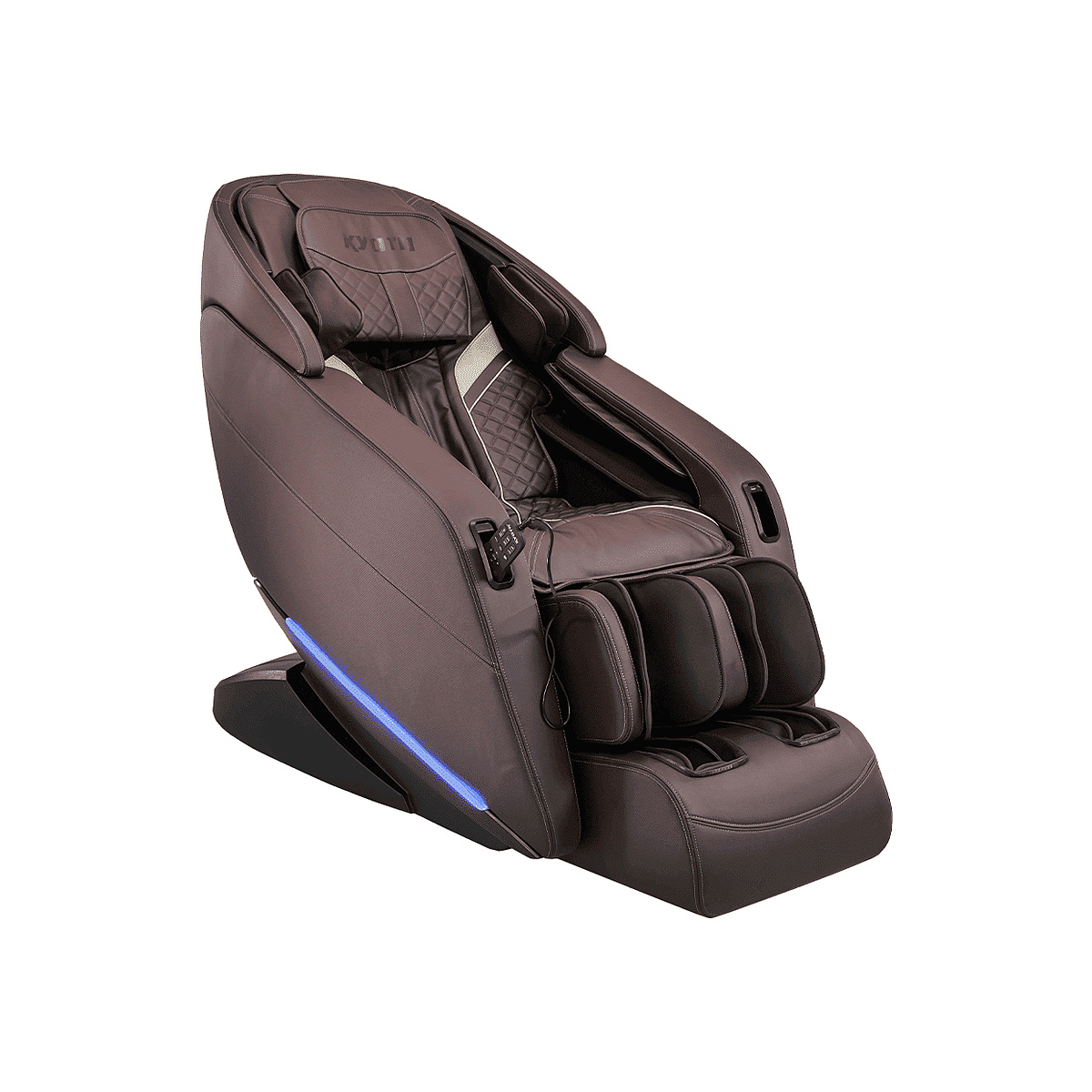
These two brands overlap almost perfectly on price and barely at all on philosophy. That combination makes this one of the more confusing comparisons to research online and one of the easier ones to settle in person.
The short version: Kyota competes on what the rollers do to your back. BodyFriend competes on what the chair does to your whole body, and on whether you want to look at it every day.
The short answer
Choose Kyota if you want roller depth and track length. Six of its eight chairs are 4D, its longest track is among the longest we carry, and the 4D entry point is low for the category.
Choose BodyFriend if you want leg and lower-body work, stretch programming, or a chair that reads as furniture. The range also runs further up than Kyota's does.
The two lineups side by side
Every figure below is counted from our live catalog rather than from a brochure, so it reflects what is actually on the floor. Prices move with promotions; the BodyFriend and Kyota pages carry live pricing.
| BodyFriend | Kyota | |
|---|---|---|
A note on the last row: track length is only listed where the manufacturer publishes the number. A blank is missing data, not a short track.
The mechanism difference, stated plainly
Kyota builds 4D chairs. Six of the eight models in the current lineup carry a 4D mechanism, which varies the speed and pause of each stroke on top of the in-and-out depth control a 3D chair gives you. It is what makes the massage feel closer to hands than to machinery.
BodyFriend does not market a single chair as 4D. Its engineering vocabulary is different: Robo-Walking for the leg mechanism that drives each leg independently, XD PRO for the massage module, and stretch programming on the upper models.
This is the crux. If you walk in with "I want 4D" written on your list, Kyota is the brand that answers it directly. If you walk in with "my hips and legs are the problem", BodyFriend is built for that in a way no roller depth setting reaches.
Track length, where Kyota is strong
Kyota publishes its track figures and they are competitive. The Joubu M880 carries a 53 inch L-track, which is the longest across the brands we carry, and the Yutaka M898 publishes 49 inches with heated lumbar support.
An L-track continues past your lower back and under the seat, so glutes and the top of the hamstrings become part of the program. If that is why you are shopping, Kyota's numbers are the ones to beat and BodyFriend's range is not built to compete on this particular axis.
Design and room presence, where BodyFriend is strong
BodyFriend designs for the room first. The line includes a collaboration with Italdesign on the Leonardo DV, walnut accents on the Falcon SV, and compact models such as the Eliza and Familie that are shaped to share a living room with a sofa.
Kyota has a genuinely compact model in the Zenyu M338, but compactness and design-led styling are different goals and the two brands are pursuing different ones.
The top of each range
BodyFriend goes further up. The flagship models carry features that do not exist on a conventional roller chair at all: the Medical Phantom adds spinal stretch therapy with PEMF electromagnetic fields, the Pharaoh NEO builds eight signature stretch programs into one frame, and the Pharaoh Q pairs flagship robotics with a Bang & Olufsen sound system. The Palace NEO pairs independent leg movement with XD PRO massage and 21 safety sensors.
Kyota's flagship, the Nokori M980, goes the other direction: Syner-D dual mechanisms delivering the brand's deepest and most complete roller massage. It is the most chair Kyota makes and it costs less than BodyFriend's top models.
So at the top you are choosing between more features and more massage. That is a real choice and neither answer is wrong.
Entry level
Kyota starts lower than BodyFriend does, and the Genki M380 is the most accessible chair in either line, with zero-gravity comfort at the bottom of the range.
BodyFriend's entry models are close behind on price but sold on a different promise: small footprint and living-room styling rather than maximum massage for the money.
Live pricing for both is on the brand pages, which read from the catalog rather than being kept up by hand.
Which one suits which buyer
You want 4D and you want it under $6,000. Kyota. See the 4D collection for everything that qualifies.
Hips, legs and general stiffness below the waist. BodyFriend, for the independent leg mechanism.
Lower back and glutes specifically. Kyota, on track length. Ask for the figure on the model you are considering.
The chair has to look good in a room guests see. BodyFriend.
You want stretch programming. BodyFriend, and it is one of the clearest single-feature reasons to choose a brand on our floor.
Deepest roller massage for the money. Kyota Nokori M980.
Several people of different heights. Kyota's body-scanning models adapt to the user, but have the tallest and shortest person sit in the chair before you buy either brand.
What the specs will not tell you
Which one feels better to you. These two brands produce genuinely different sensations, and preference between them is close to evenly split among the people we put in both.
That is why we ask for one full program in each rather than a few minutes in several chairs. Programs build, and the part that tells you whether you like a chair usually arrives around minute eight.
Frequently asked questions
Does BodyFriend make a 4D massage chair?
Not in the range we carry. BodyFriend competes on body mechanics and stretch rather than roller depth control, and uses its own technology names such as Robo-Walking and XD PRO. If 4D is a requirement, Kyota is the brand of these two that answers it.
Which brand has the longer track?
Kyota. The Joubu M880 publishes a 53 inch L-track, the longest across the brands we carry. Track length decides where the massage stops on your body, so if lower-back and glute coverage is the reason you are shopping, this is the number to ask about.
Is BodyFriend worth the extra money at the top of the range?
It depends on whether you want the features it buys. Stretch programming, PEMF, independent leg drive and premium audio are real differences, not trim. If none of them matters to you, Kyota's flagship gives you more roller massage for less money. We would rather you sat in both than took our word for it.
Are both brands Korean?
BodyFriend is Korean. Kyota is Japanese-inspired in its design language. The two brands are engineered around different priorities, which is the substance of this comparison rather than the country of origin.
Which is better for a first massage chair?
Kyota more often, because the range starts lower and reaches 4D sooner, which is what most first-time buyers say they want. That said, if the chair has to live in a room you actually use and look right there, BodyFriend's entry models solve a problem Kyota's do not.
Can I compare them in person?
Yes. Both lines are on the floor at our San Jose showroom on Saratoga Avenue, plugged in, no appointment needed. Putting the same body part under one of each within a few minutes is the fastest way to understand the difference, because memory for pressure fades quickly.
The chairs behind this comparison
Both brands sit on our showroom floor, so these are live prices from our own catalog rather than figures copied from a brochure. Entry model, mid-range and flagship for each.
BodyFriend
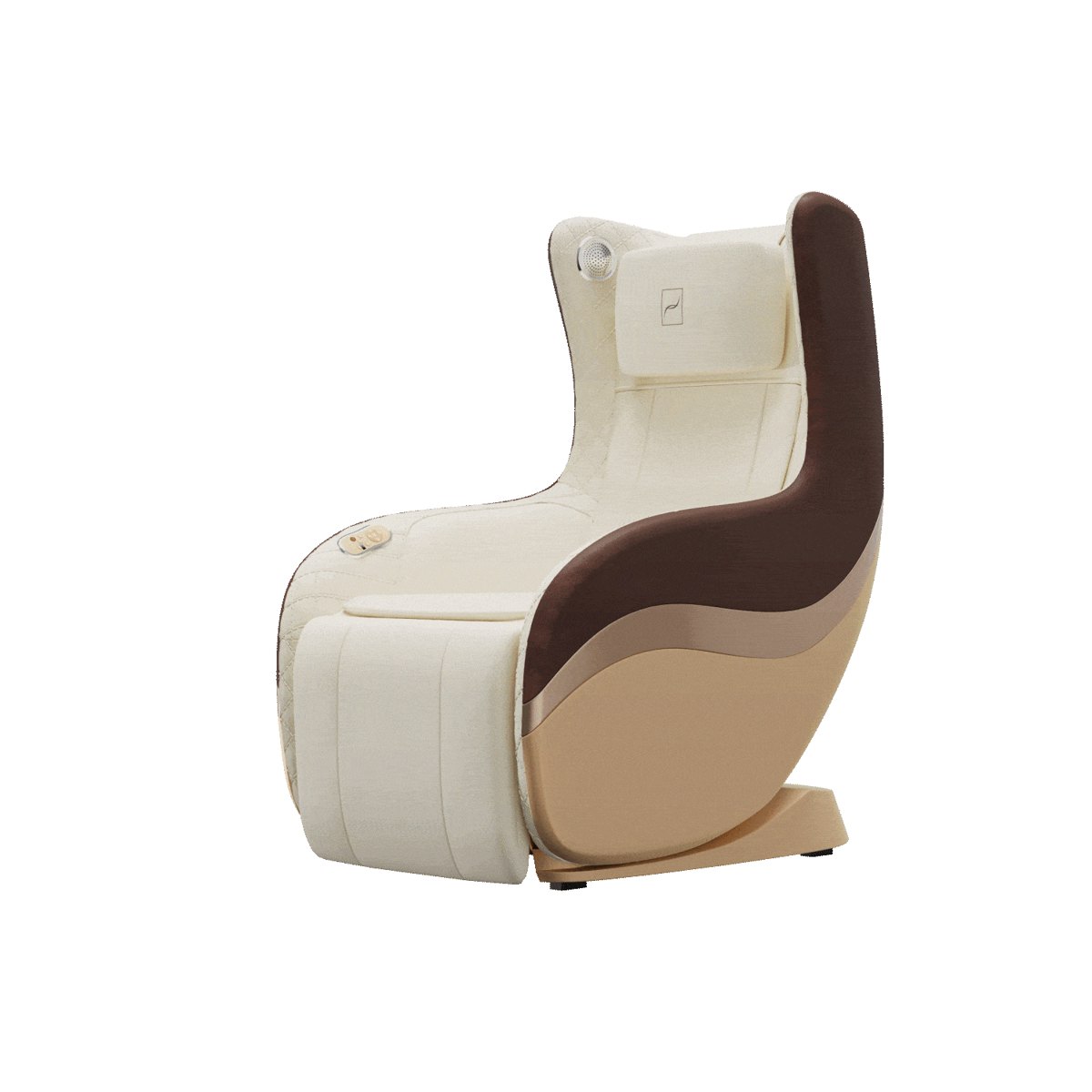
BodyFriend Eliza
$3,499.99
View details →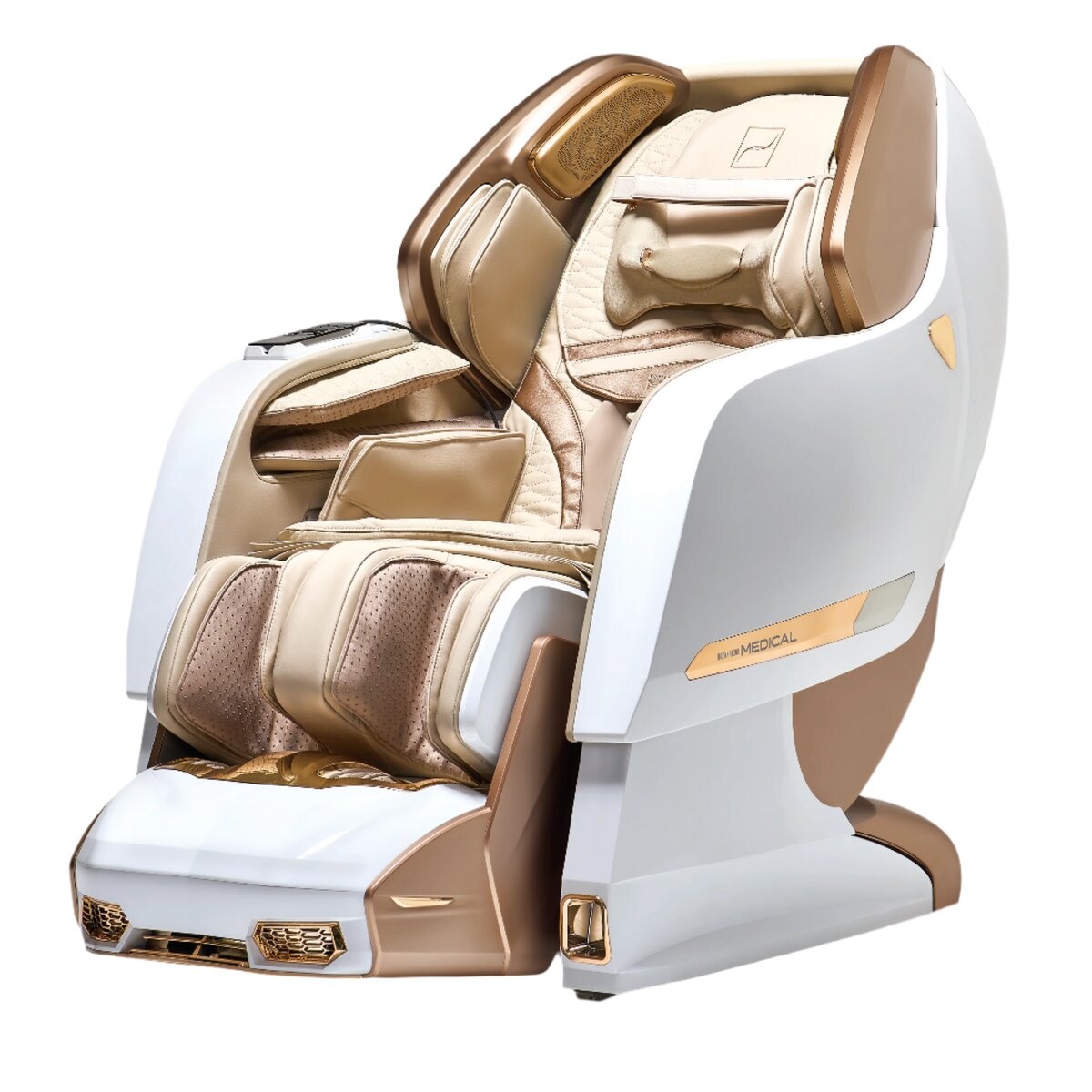
BodyFriend Medical Phantom
$10,799 $13,999
Heat
View details →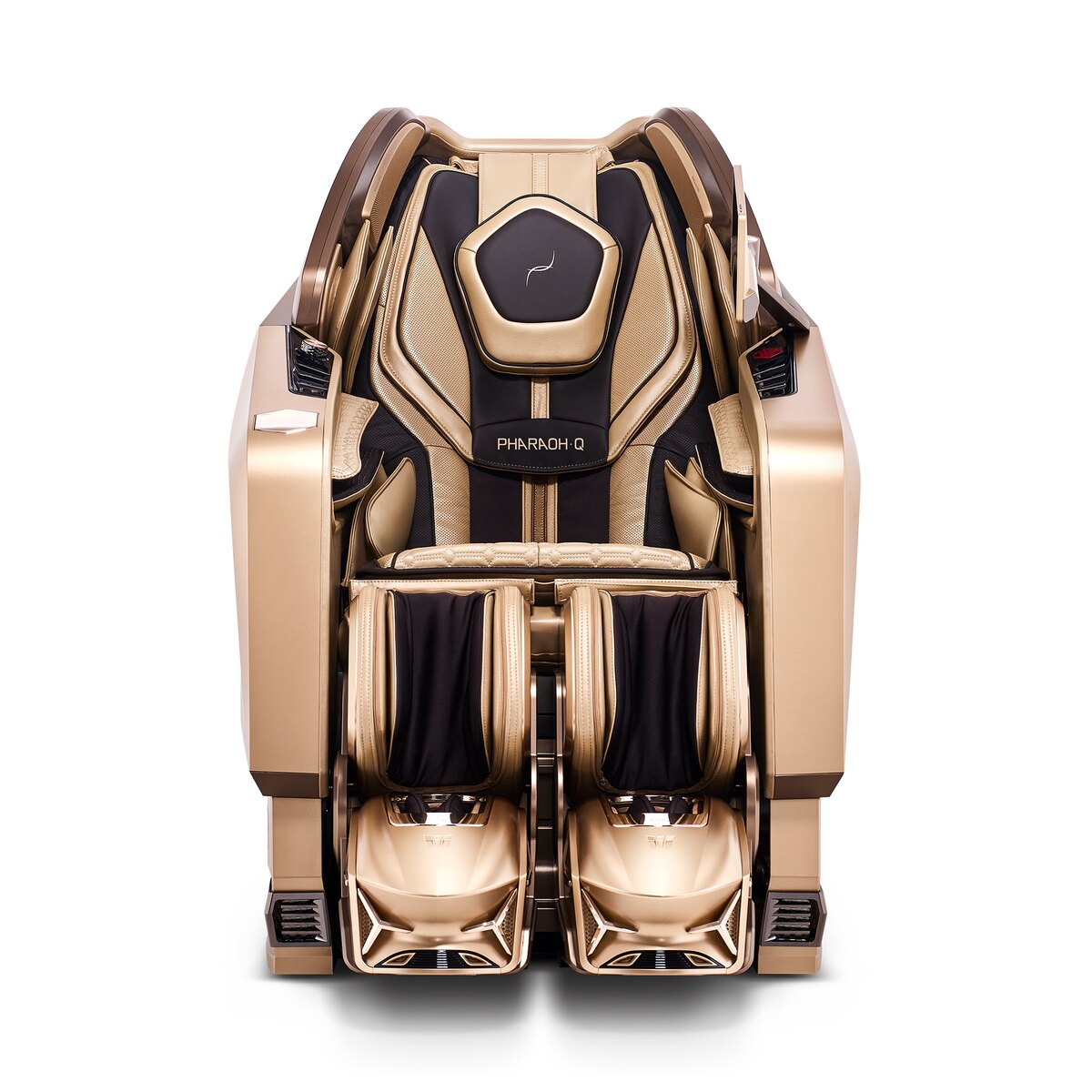
BodyFriend Pharaoh Q
$15,000 $17,000
Heat
View details →Model-by-model detail is in our BodyFriend guide, and the BodyFriend brand page shows current stock.
Kyota
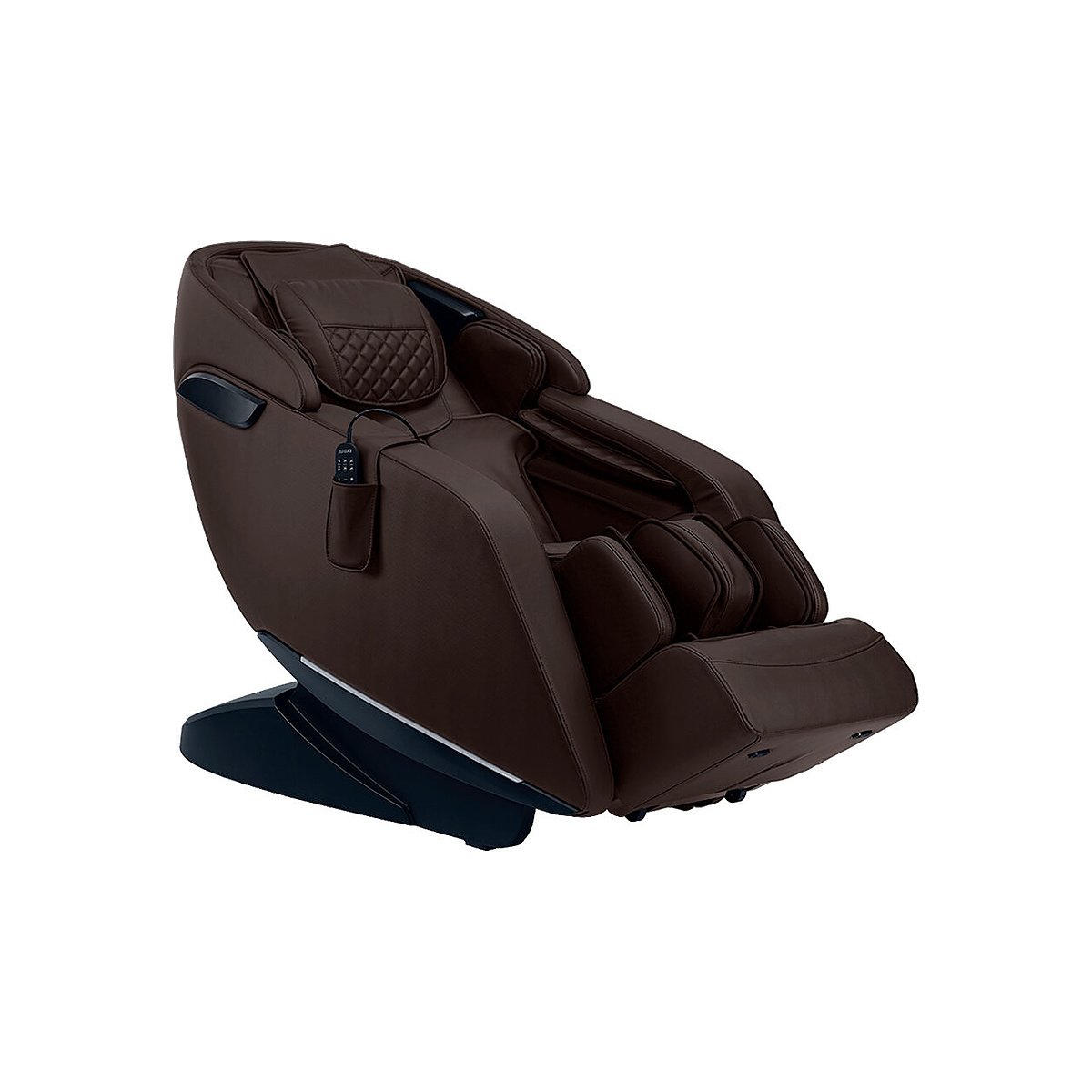
Kyota Genki M380 Massage Chair
$2,799 $7,999
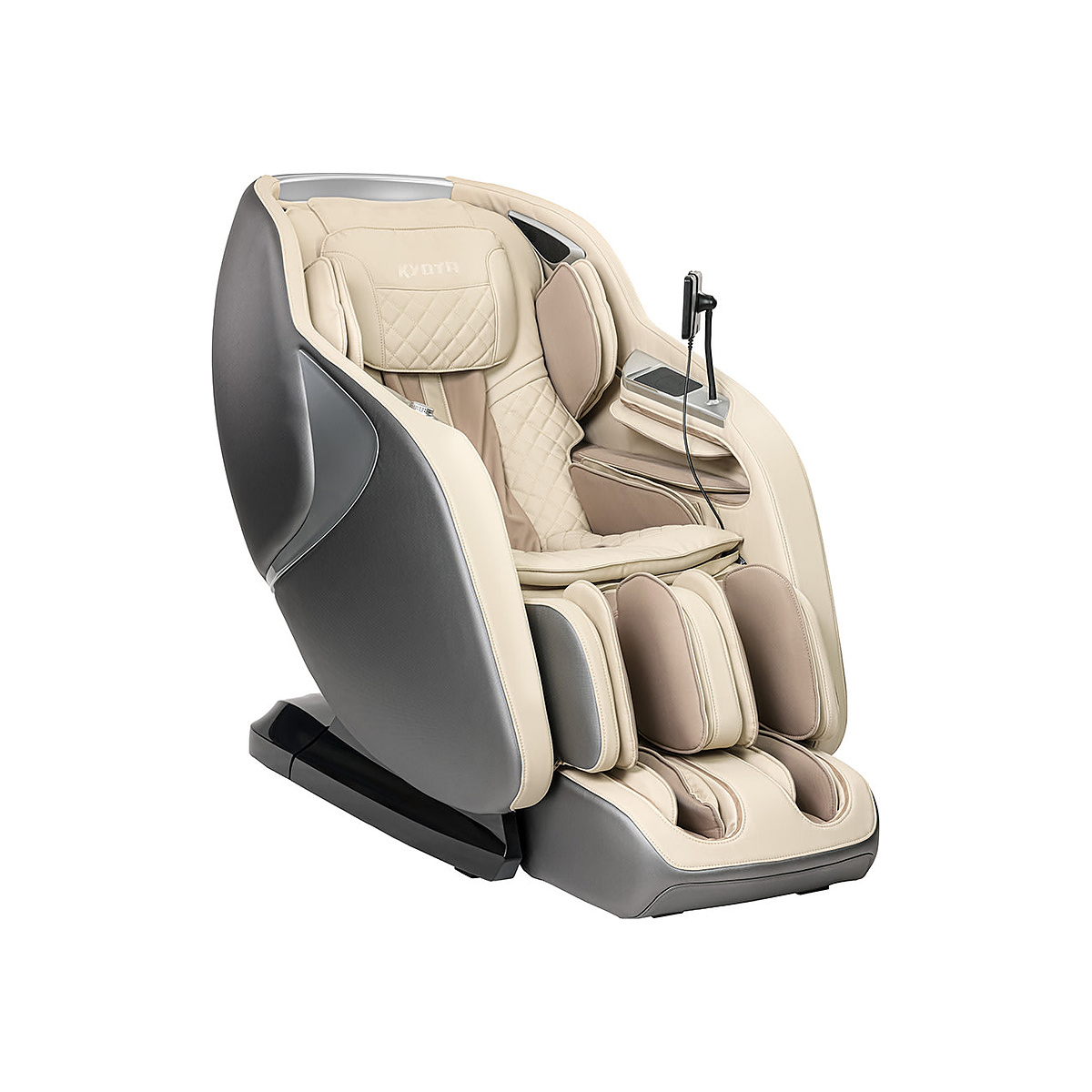
Kyota Joubu M880 4D Massage Chair
$8,499 $10,999
4DHeat
View details →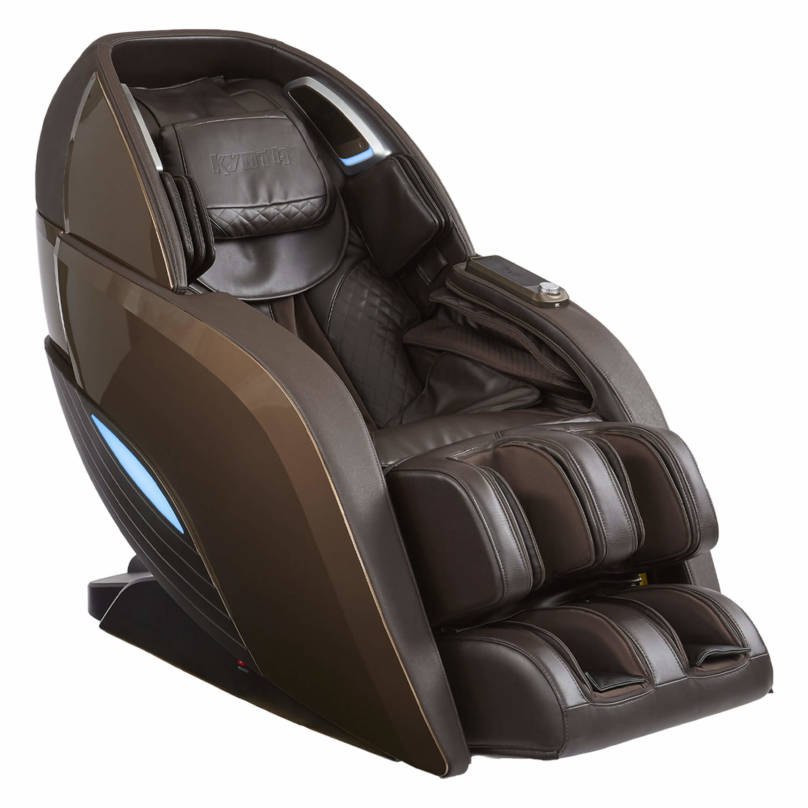
Kyota Yutaka M898 4D Massage Chair
$12,999
4DHeat
View details →Model-by-model detail is in our Kyota guide, and the Kyota brand page shows current stock.
How the two lines compare, counted
These are counts of how many chairs in each line carry the feature, taken from our live catalog. Not an editorial score.
BodyFriend
4D mechanism
0 of 10
Body scan
0 of 10
Heat / thermal
4 of 10
Zero gravity
4 of 10
Stretch program
7 of 10
Foot rollers
0 of 10
Counted from our live catalog, not an editorial score.
Kyota
4D mechanism
6 of 8
Body scan
3 of 8
Heat / thermal
5 of 8
Zero gravity
5 of 8
Stretch program
1 of 8
Foot rollers
8 of 8
Counted from our live catalog, not an editorial score.
Before you decide, sit in them
The spec sheet settles less of this than people expect. Roller depth that reads as firm to one person reads as painful to another, and fit matters more than any feature count.
Ten minutes in the chair: what to check
- Shoulder alignment. The airbags should land on your shoulders, not your ears or your upper arms. This is the single most common fit failure and you feel it in the first thirty seconds.
- Neck roller height. Ask the chair to run its neck program. If the rollers sit below where it actually hurts, no amount of intensity will fix it.
- Back roller depth. Take it past the setting you think you want. A chair that feels perfect at maximum has no headroom on a bad day.
- Calf reach. Your calves should sit in the calf section, not above it. Taller users get caught here more than anywhere else.
- Foot rollers. Some people love them and some cannot tolerate them. Ten seconds tells you which one you are.
- Recline and return. How the chair comes out of zero gravity matters as much as how it goes in. A jerky return gets annoying by week three.
- Wall clearance. Ask how much space it needs fully reclined, then measure your room before you commit.
- Remote and controls. If you cannot start your favourite program in two taps, you will stop using it.
- Noise at full power. Quiet in the showroom is not the test. Run it hard and listen, especially if the chair will live in a shared room.
- Getting in and out. Try it the way you will at home: tired, at the end of the day, without thinking about it.
The best comparison happens in the chair.
Both brands are on one floor in San Jose, plugged in, no appointment needed.